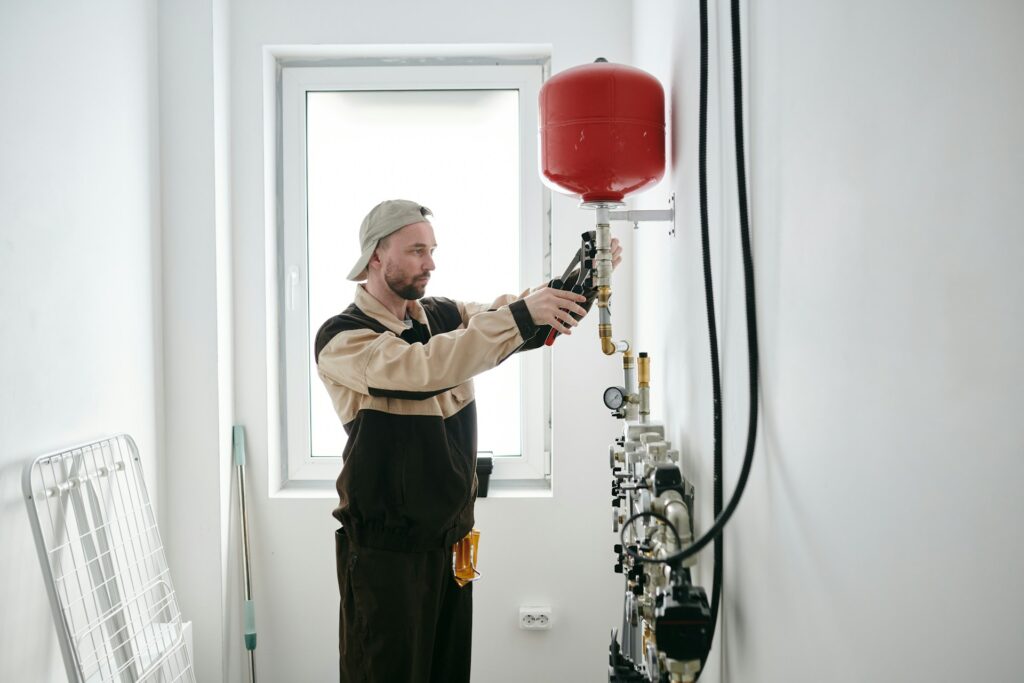
A commercial heating system plays an essential role in maintaining comfortable, productive, and safe working conditions during cold weather. When a furnace, boiler, or heat pump begins showing signs of trouble, postponing repairs may seem like a convenient way to avoid immediate expenses. However, a minor fault can develop into a more serious problem, affecting daily operations, energy consumption, and the reliability of the entire system.
Timely attention to heating problems helps businesses protect their facilities, employees, customers, and equipment. Arranging professional heating repair and maintenance in Hibbing, MN, can help identify developing issues before they cause more extensive disruption. Understanding the risks of delaying repairs allows commercial property owners and facility managers to make informed decisions about maintenance, budgeting, and system performance.
How Delayed Heating Repairs Affect Business Operations
When a commercial heating system cannot maintain the required indoor temperature, the effects often extend beyond physical discomfort. Employees may find it harder to concentrate, customers may spend less time on the premises, and temperature-sensitive equipment or materials may be exposed to unsuitable conditions.
For businesses operating throughout Minnesota’s winter, an unexpected heating failure can also interfere with normal opening hours. Offices, retail stores, warehouses, and other commercial facilities may need to adjust their operations while waiting for repairs. In some environments, maintaining appropriate indoor temperatures is particularly important for protecting inventory or meeting workplace requirements.
Addressing unusual noises, inconsistent heating, or repeated system shutdowns early can help reduce the likelihood of an avoidable interruption. A professional assessment also helps determine whether the problem is isolated or connected to a larger mechanical issue.
Higher Energy Bills From Poor Heating Performance
A heating system with a developing fault may consume more energy than necessary to maintain the desired temperature. For example, a malfunctioning thermostat may cause the equipment to run longer than intended, while restricted airflow can interfere with heat distribution. Dirty components, worn motors, and other mechanical problems may also affect performance.
When these issues remain unresolved, the system may struggle to heat the building evenly. Some areas can become uncomfortably cold while others receive sufficient warmth, prompting staff to adjust thermostat settings repeatedly. These adjustments may increase energy use without addressing the underlying cause.
Monitoring utility bills can help identify possible problems. If energy costs rise unexpectedly despite similar weather and operating hours, investigate the heating system alongside other potential causes. Comparing bills over time and recording recurring comfort complaints can provide useful information for a technician.
Minor Faults Can Develop Into Expensive Repairs
Commercial heating equipment contains interconnected electrical, mechanical, and temperature-control components. A problem affecting one part can place additional strain on other parts, depending on the system design and the nature of the fault.
For instance, a failing blower motor may reduce airflow, while a malfunctioning ignition component can prevent a furnace from starting reliably. Repeated short cycling, in which the system switches on and off more frequently than normal, may indicate a control, airflow, or equipment problem that requires investigation.
Continuing to operate equipment without understanding the cause can worsen certain faults. In more serious cases, a repair that might initially have involved a single component could eventually require more extensive work.
Not every unusual sound or performance change signals a major failure, but ignoring persistent symptoms makes it harder to manage the problem. Prompt diagnosis helps establish which repairs are necessary and whether continued operation is appropriate.
Safety Risks of Ignoring Heating System Warning Signs
Commercial heating systems must operate safely as well as efficiently. Depending on the equipment and fault, neglected problems can create hazards involving fuel, combustion, electrical components, or excessive heat.
Gas-fired furnaces and boilers require particular attention to combustion performance and proper venting. A damaged or obstructed venting system can allow dangerous combustion gases to enter occupied spaces. Carbon monoxide is especially hazardous because it is colorless and odorless, meaning people cannot reliably detect its presence without an appropriate alarm or monitoring device.
Other warning signs may include burning odors, unusual banging, persistent rattling, visible damage, or repeated unexplained shutdowns. These symptoms do not all indicate the same problem, so they should not be diagnosed through guesswork.
If a carbon monoxide alarm sounds or a gas leak is suspected, prioritize safety rather than continuing to operate or inspect the equipment. Leave the affected area, contact emergency services or the appropriate gas emergency provider from a safe location, and follow their instructions. Do not restart the system until it has been assessed and declared safe.
Warning Signs That Require Prompt Attention
Recognizing changes in heating performance can help facility managers arrange repairs before a complete breakdown occurs. Pay attention to the following signs:
- Uneven indoor temperatures: Certain rooms or work areas remain colder than others despite normal system operation.
- Unusual operating sounds: New banging, grinding, or persistent rattling may indicate a mechanical problem.
- Frequent cycling: The system repeatedly starts and stops instead of operating normally.
- Weak airflow or cool air: Vents deliver insufficient warmth, or the equipment struggles to distribute heat.
- Unexpected energy increases: Utility bills rise without an obvious change in weather, occupancy, or operating schedules.
- Repeated shutdowns: The heating equipment stops working or requires frequent resets.
Documenting when these symptoms occur can help a technician identify patterns. Avoid removing access panels, handling electrical components, or attempting repairs that require specialized knowledge.
How Professional Repairs Help Protect Long-Term Performance
A professional assessment can establish whether a heating problem involves controls, airflow, ignition, electrical connections, mechanical wear, or another issue. Rather than treating symptoms alone, a qualified technician can evaluate the equipment and recommend repairs appropriate to its condition.
Businesses seeking heating repair and maintenance in Hibbing, MN, should consider the building’s heating requirements, the equipment’s operating history, and the consequences of an unexpected outage. A useful service discussion includes the identified fault, the proposed corrective work, any immediate safety concerns, and whether additional maintenance is advisable.
Regular preventive maintenance also helps identify developing problems before the heating season places greater demands on the equipment. Annual servicing is commonly recommended, with timing and maintenance requirements depending on the system manufacturer’s guidance and operating conditions.
Keeping service records, tracking recurring faults, and following recommended maintenance intervals can help facility managers plan expenses more effectively. These practices do not eliminate every breakdown, but they support better oversight and more informed decisions about repairs and equipment replacement.
Final Thoughts
Delaying commercial heating repairs can contribute to higher energy consumption, worsening mechanical faults, uncomfortable working conditions, and avoidable business interruptions. Safety concerns make prompt attention particularly important when equipment shows signs of combustion problems, electrical faults, or other potentially hazardous conditions. Recognizing warning signs early helps businesses respond before a manageable issue becomes more disruptive.
Facility managers should arrange professional assessments when heating performance changes, follow recommended maintenance schedules, and keep records of recurring problems. For businesses considering heating repair and maintenance in Hibbing, MN, addressing concerns promptly is a practical way to support reliable heating, safer working conditions, and better long-term equipment management.