Living in a small house does not mean sacrificing comfort or style. With thoughtful choices, limited square footage can feel open, organised, and highly functional. The key is selecting improvements that serve more than one purpose and make every area work harder.
These twelve ideas focus on practical changes that improve daily life without requiring a full renovation. Most can be adapted to different budgets and styles.
1. Choose Multifunctional Furniture
Furniture that performs dual roles saves both space and money. A storage ottoman, a sofa bed, or a dining table with extension leaves reduces the need for extra pieces. Look for items with clean lines so the room still feels open.
2. Use Light Colours on Walls and Floors
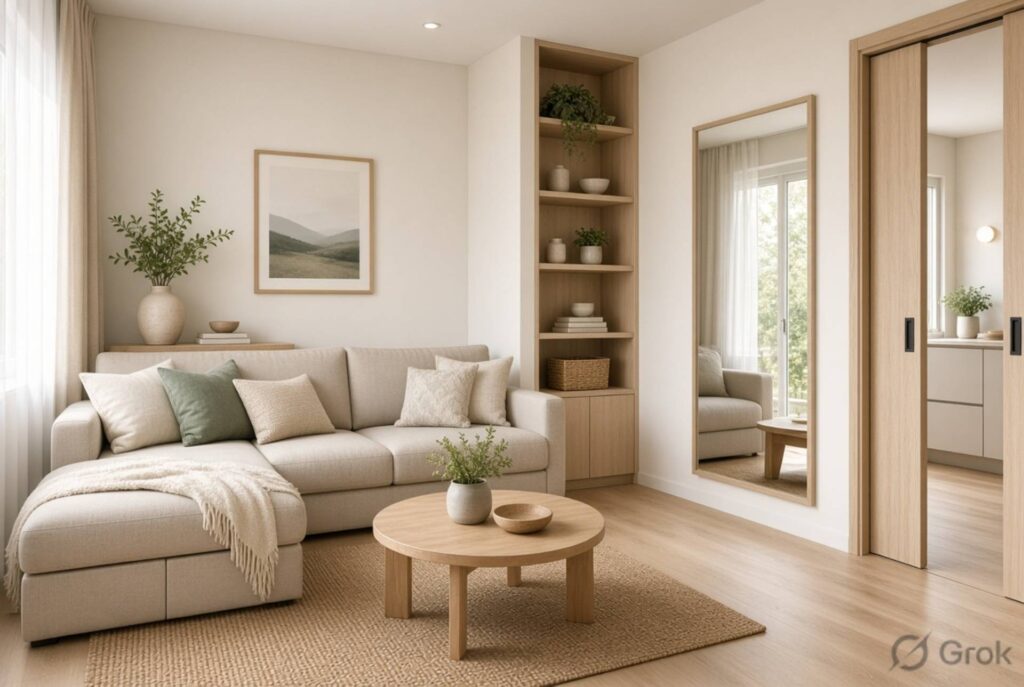
Pale walls and flooring reflect natural light and create a sense of airiness. Soft whites, light greys, and warm neutrals make walls recede visually. If you prefer colour, keep larger surfaces light and add deeper tones through accessories that can be changed easily.
3. Add Mirrors Strategically
A well-placed mirror doubles the perceived size of a room and bounces light deeper into the space. Position one opposite a window or along a narrow hallway. Floor-to-ceiling mirrors on wardrobe doors also work well in bedrooms.
4. Maximise Vertical Storage
When floor space is limited, build upward. Tall bookcases, wall-mounted shelves, and over-door organisers keep belongings accessible without crowding the room. Floor-to-ceiling cabinets in kitchens and bathrooms make full use of available height.
5. Install Sliding or Pocket Doors
Swing doors need clear floor space to open. Sliding barn-style doors or pocket doors that disappear into the wall free up that area for furniture or movement. They work especially well for bathrooms, closets, and room dividers.
6. Create Zones with Rugs and Lighting
Open-plan small homes benefit from clear activity areas. A rug under the seating group and another under the dining table defines each zone without walls. Layered lighting—overhead, task, and accent—further separates functions while keeping the overall space flexible.
7. Opt for Built-In Solutions
Custom or semi-custom built-ins fit the exact dimensions of a room and eliminate wasted gaps. Window seats with storage, under-stair drawers, and alcove desks turn awkward areas into useful features.
8. Bring the Outside In
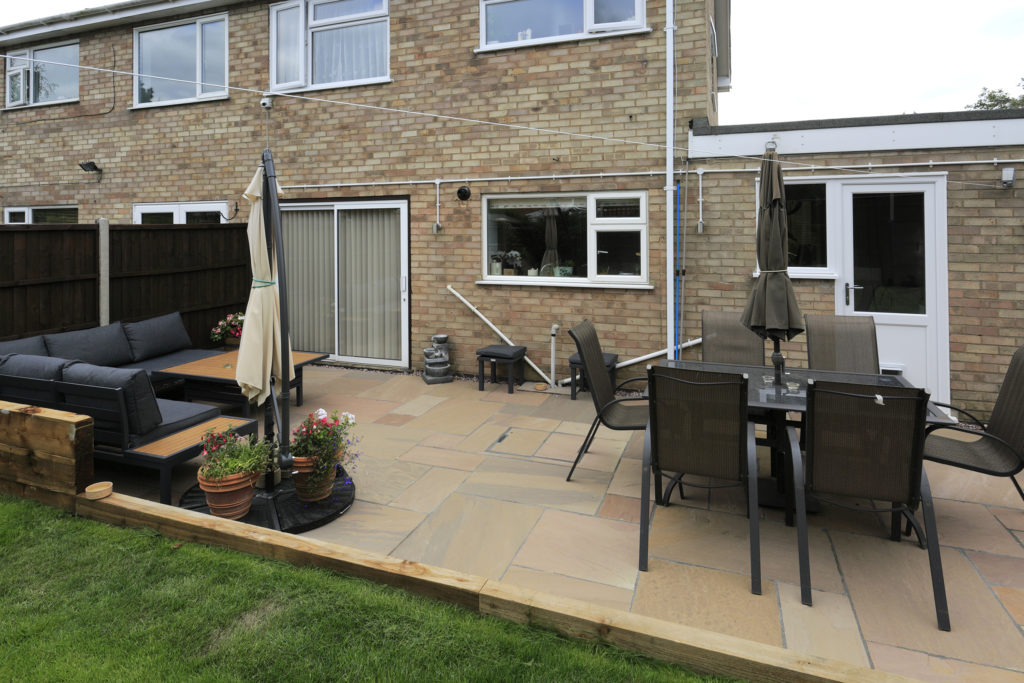
Large windows, glass doors, or even a simple pass-through to a balcony or patio visually expand the interior. Keeping outdoor areas tidy and linked to the indoor colour scheme makes the whole property feel larger.
9. Keep Window Treatments Minimal
Heavy curtains block light and add visual weight. Choose simple roller blinds, light Roman shades, or curtains that hang close to the ceiling and stack clear of the window. This approach maximises daylight and keeps sightlines clean.
10. Declutter with Purpose
Regular editing of belongings is one of the most effective improvements available. Give every item a home, remove duplicates, and favour quality over quantity. Clear surfaces instantly make a small room feel calmer and more spacious.
11. Use Consistent Flooring
Changing flooring materials between rooms can chop up a small house visually. Carrying the same floor finish throughout creates a continuous flow that makes the entire home feel larger and more cohesive.
12. Add Smart, Flexible Lighting
Good lighting transforms how a space feels. Combine ambient ceiling lights with task lamps and accent fixtures. Dimmers allow the same room to shift from bright and practical to soft and relaxed without rearranging furniture.
Frequently Asked Questions
What is the most cost-effective improvement for a small house?
Decluttering and rearranging existing furniture usually deliver the biggest immediate change for little or no cost. Adding mirrors and improving lighting rank close behind.
Can dark colours work in a small home?
Yes, when used thoughtfully. A single accent wall or darker cabinetry can add depth, provided the remaining surfaces stay light and natural light is maximised.
How do I make a small kitchen more functional?
Focus on vertical storage, open shelving for frequently used items, and appliances that fit the scale of the space. A slim rolling cart can add extra surface area when needed and tuck away when not in use.
Should I knock down walls to open up a small house?
Only after checking structural requirements and considering how the change will affect privacy, noise, and heating or cooling. Sometimes defining zones with furniture and rugs achieves a similar sense of openness without construction.
Conclusion
Small houses reward careful, intentional choices. Multifunctional furniture, light colours, vertical storage, and consistent flooring all help the available space work harder. Sliding doors, built-ins, and thoughtful lighting further improve both function and atmosphere. By focusing on improvements that reduce clutter and enhance flow, homeowners can create homes that feel comfortable, practical, and generously sized regardless of their actual footprint.