Choosing the right heating system is one of the most important decisions homeowners can make. It affects not only your comfort during colder months but also your long-term energy costs, maintenance requirements, and even the value of your property. While forced-air furnaces are common in many regions, boiler systems remain a reliable and efficient option for countless households.
If you’re considering boilers for home heating, it’s worth understanding how they work, their advantages, and whether they match your home’s needs. By weighing the benefits and potential drawbacks, you can make an informed decision that provides lasting comfort and efficiency.
How Boiler Heating Systems Work
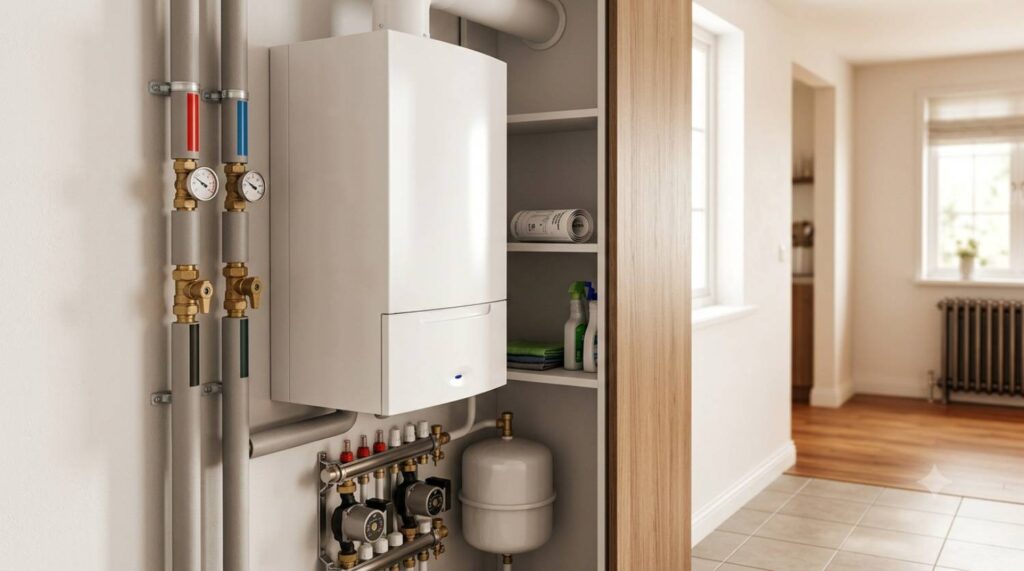
Unlike forced-air systems that distribute warm air through ductwork, boilers heat water and circulate either hot water or steam throughout the home. The heated water travels through pipes to radiators, baseboard heaters, or radiant floor systems, delivering consistent warmth to each room.
Because boilers rely on water rather than moving air, they create an even, comfortable indoor temperature without the drafts or temperature swings that some forced-air systems can produce.
Modern boilers are available in gas, oil, electric, and propane models, with many high-efficiency options designed to reduce energy consumption while maintaining excellent heating performance.
Signs a Boiler May Be the Right Choice
Every home has unique heating needs, but several factors can indicate that a boiler is an excellent fit.
You Prefer Consistent, Even Heat
One of the biggest advantages of boiler systems is their ability to provide steady warmth. Instead of cycling warm air on and off, they maintain a more stable indoor temperature, making living spaces feel consistently comfortable.
This is especially beneficial in colder climates where reliable heating is essential throughout the winter season.
Your Home Already Has Radiators
If your house already includes radiators or hydronic baseboard heating, replacing or upgrading the existing boiler is often more practical than converting to a completely different heating system.
Keeping the existing infrastructure can reduce installation complexity and allow you to benefit from newer, more energy-efficient boiler technology.
Indoor Air Quality Is a Priority
Boilers do not rely on ducts or fans to move heated air throughout the home. As a result, they don’t circulate dust, pollen, pet dander, or other airborne particles in the same way forced-air systems can.
For homeowners with allergies or respiratory sensitivities, this can contribute to a cleaner and more comfortable indoor environment.
Energy Efficiency Considerations
Modern boiler systems have become significantly more efficient than older models. Many high-efficiency condensing boilers achieve Annual Fuel Utilization Efficiency (AFUE) ratings exceeding 90%, helping homeowners reduce fuel consumption over time.
However, overall efficiency depends on several factors, including:
- The size of the boiler
- Proper installation
- Routine maintenance
- Home insulation
- Thermostat settings
An oversized or undersized boiler may not operate efficiently, making professional system sizing an important step before installation.
Maintenance Requirements
Like any heating equipment, boilers require regular maintenance to perform safely and efficiently.
Annual inspections typically include checking pressure levels, inspecting valves, cleaning burners, testing safety controls, and ensuring there are no leaks or corrosion. Routine servicing helps extend the lifespan of the system while reducing the likelihood of unexpected breakdowns during peak heating season.
Fortunately, boilers generally have fewer moving parts than forced-air furnaces, which may contribute to lower long-term maintenance needs.
When a Boiler Might Not Be the Best Option
Although boilers offer many advantages, they are not the ideal solution for every home.
A boiler may be less suitable if:
- Your home already has an efficient forced-air HVAC system.
- You rely on central air conditioning that uses the same ductwork.
- Installing new hydronic piping would require extensive renovations.
- Your budget doesn’t allow for the higher upfront installation costs.
In these situations, replacing an existing furnace with another high-efficiency furnace may be the more practical choice.
Evaluating both immediate installation costs and long-term operating expenses is essential before making a decision.
Comparing Boilers and Furnaces
Both boilers and furnaces provide reliable heating, but they operate differently.
Boilers offer:
- Quiet operation
- Even, comfortable heat
- Better indoor air quality
- Excellent compatibility with radiant floor heating
Furnaces provide:
- Faster room heating
- Lower installation costs in homes with existing ductwork
- Easier integration with central air conditioning
Neither system is universally better. The right choice depends on your home’s design, your comfort preferences, your local climate, and your budget.
Questions to Ask Before Installing a Boiler
Before investing in a new heating system, consider asking yourself the following questions:
- Does my home already have radiators or hydronic heating?
- How important is consistent indoor comfort?
- Am I planning to stay in this home for many years?
- Is energy efficiency a top priority?
- What are the long-term maintenance expectations?
- Would radiant floor heating benefit my home?
Answering these questions can help narrow your options and guide conversations with a qualified HVAC professional.
Professional Installation Matters
Even the highest-quality boiler can underperform if it is not installed correctly. Proper sizing, pipe configuration, ventilation, and safety testing all play critical roles in system performance.
An experienced heating contractor will evaluate your home’s square footage, insulation levels, heat loss calculations, and existing infrastructure before recommending a specific boiler model.
Professional installation also helps ensure compliance with local building codes and manufacturer warranty requirements.
Final Thoughts
Choosing a heating system is a long-term investment that affects your home’s comfort, energy efficiency, and operating costs for years to come. Boilers continue to be an excellent option for homeowners seeking quiet operation, even heating, and dependable performance, especially in homes already equipped with hydronic systems.
While they may involve a higher initial investment than some alternatives, modern boilers often deliver impressive efficiency, durability, and comfort over their lifespan. By evaluating your home’s layout, heating needs, and future plans, you’ll be better equipped to determine whether a boiler system is the right solution for your household. Consulting with a qualified HVAC professional can provide personalized recommendations and ensure you select a system that delivers reliable warmth for many winters ahead.