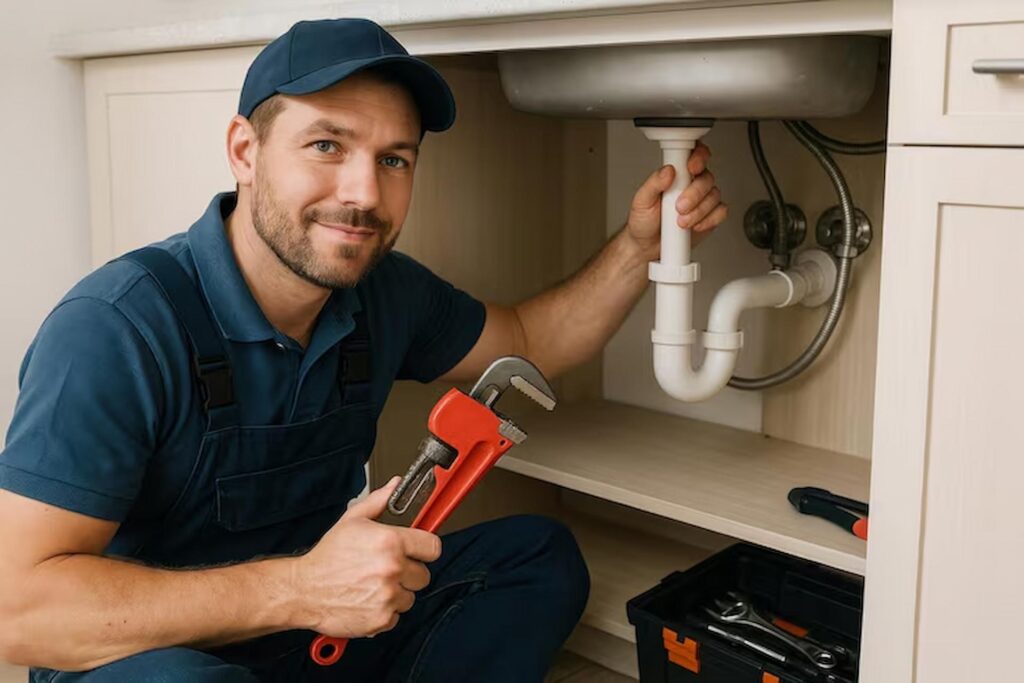
Drain issues rarely appear overnight. Most plumbing problems begin with small warning signs that gradually worsen over time. Slow sinks, foul odors, bubbling toilets, and recurring clogs often indicate hidden damage inside pipes or sewer lines. Homeowners who ignore these symptoms may eventually face water damage, sewage backups, mold growth, and expensive plumbing repairs that affect both property value and indoor comfort.
Homeowners schedule sewer line inspection in Fort Collins, CO, after dealing with repeated drainage problems that refuse to go away. Professional inspections help identify hidden blockages, cracked pipes, root intrusion, and sewer line deterioration before serious structural damage develops. Early action can protect flooring, walls, insulation, and HVAC systems from moisture-related issues while reducing long-term repair expenses and improving household sanitation.
Slow Drains Often Point to Deeper Plumbing Issues
A slow drain may seem like a minor inconvenience, but it often signals buildup or damage within the plumbing system. Water should move through pipes efficiently, and any noticeable slowdown usually means something is restricting proper flow.
Common Causes of Slow Drains
Hair, grease, soap residue, mineral buildup, food waste, and foreign objects commonly create partial blockages inside pipes. Over time, these obstructions collect additional debris, eventually leading to severe clogs or wastewater backups.
Homeowners should pay close attention if multiple drains begin slowing at the same time because this can indicate a larger sewer line issue rather than a localized blockage.
Unpleasant Drain Odors Can Signal Sewer Problems
Persistent smells coming from drains are another warning sign that should never be ignored. Foul odors often indicate trapped debris, bacterial growth, or sewer gases escaping through damaged plumbing systems.
Why Drain Smells Matter
Sewer gas exposure can affect indoor air quality while making living spaces uncomfortable. Cracked pipes, blocked vents, or dried drain traps may allow odors to enter the home. In some cases, smells become stronger during hot weather or after heavy rainfall when sewer systems experience additional pressure.
Ignoring these odors may allow hidden plumbing damage to worsen behind walls or beneath flooring.
Recurring Clogs Require Professional Attention
Occasional clogs happen in most households, but repeated blockages usually point to a larger issue deeper inside the plumbing system. If plunging or store-bought cleaners only provide temporary relief, professional evaluation may be necessary.
Many residents seek sewer line inspection in Fort Collins, CO, after experiencing repeated toilet backups, multiple clogged fixtures, or standing water near floor drains. Camera inspections allow plumbers to identify root intrusion, pipe collapse, corrosion, or severe buildup without unnecessary digging. Fast diagnosis helps homeowners avoid emergency plumbing situations and extensive property damage.
Common Signs of Sewer Line Trouble:
- Multiple clogged drains
- Gurgling toilets
- Water backing up into tubs or sinks
- Persistent sewer odors
- Slow drainage throughout the home
- Wet spots in the yard
These warning signs often indicate developing sewer line restrictions that require immediate attention.
Gurgling Sounds Should Never Be Dismissed
Healthy plumbing systems typically operate quietly. Bubbling or gurgling noises from sinks, showers, or toilets often indicate trapped air caused by restricted wastewater flow.
What Causes Drain Gurgling
Blocked vents, partial sewer line clogs, or pressure imbalances can force trapped air back through drains. These sounds may appear small initially, but often become worse as blockages increase.
Ignoring gurgling noises may eventually lead to sewage backups, pipe strain, or water damage that affects drywall, flooring, and surrounding home structures.
Tree Roots Frequently Damage Underground Pipes
Tree roots naturally seek moisture and often enter underground sewer pipes through small cracks or loose joints. Once inside, roots continue growing and trap debris, creating severe blockages over time.
Why Root Intrusion Is Serious
Older clay or cast-iron pipes are especially vulnerable to root-related damage. As roots expand, they can crack pipes, restrict wastewater flow, and eventually cause pipe collapse.
Professional inspections help plumbers locate root intrusion early, before extensive excavation or sewer replacement becomes necessary.
Preventative Drain Care Tips:
- Avoid pouring grease into drains
- Use drain strainers in sinks and showers
- Flush only toilet-safe products
- Schedule periodic drain cleaning
- Monitor outdoor sewer cleanout areas
- Address slow drains quickly
Consistent maintenance can help homeowners reduce the risk of major plumbing emergencies.
Water Backups Can Create Expensive Damage
Sewage or drain backups can damage floors, walls, furniture, and electrical systems within a short period. Contaminated water also creates health concerns due to bacteria and harmful microorganisms.
Moisture Damage and Indoor Air Quality
Excess moisture from plumbing leaks or backups can encourage mold growth, reduce indoor air quality, and affect HVAC system performance. Damp insulation and wet ductwork may force heating and cooling systems to work harder, increasing energy usage and reducing overall home comfort.
Fast professional response helps limit water damage while protecting household safety and sanitation.
Professional Inspections Offer Long-Term Protection
Modern sewer camera inspections provide a clear view inside underground pipes without major disruption to landscaping or property structures. This technology allows plumbers to diagnose problems accurately and recommend targeted repairs.
Benefits of Early Sewer Inspections:
- Faster problem detection
- Reduced repair costs
- Better drainage performance
- Lower risk of emergency backups
- Improved plumbing reliability
- Protection against structural water damage
Preventative inspections can help homeowners maintain safer, healthier plumbing systems throughout the year.
Seasonal Changes Can Affect Drain Performance
Temperature shifts, heavy rain, and freezing conditions can place additional stress on plumbing systems. Cold weather may cause pipe contraction, while storms can overload sewer systems and expose existing weaknesses.
Seasonal Plumbing Protection
Routine inspections before seasonal weather changes can help identify vulnerable areas early. Preventative maintenance also improves drainage efficiency and reduces the likelihood of sudden plumbing emergencies during extreme weather conditions.
Conclusion
Drain problems should never be ignored because minor warning signs can quickly develop into serious plumbing and sewer line issues. Slow drains, foul odors, recurring clogs, gurgling sounds, and water backups often signal hidden pipe damage that requires professional attention. Early inspections, preventative maintenance, and responsible drain care help homeowners protect indoor comfort, plumbing performance, and property value. By addressing drainage concerns quickly, homeowners can reduce repair costs, improve home sanitation, and avoid costly water damage caused by neglected sewer system problems.