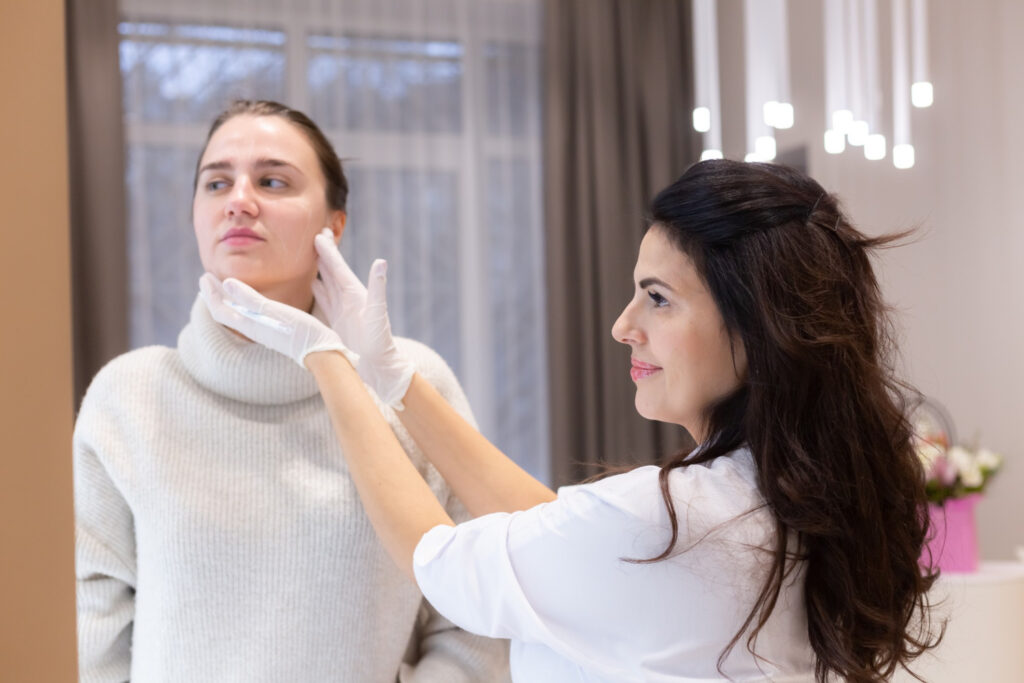
Your skin changes as you grow older. What worked for you years ago may not give the same results today. Sun exposure, stress, pollution, hormones, and daily habits all affect how your skin looks and feels. That is why understanding dermatology and healthy aging is important. Skin care is not about following trends or trying every new product. It is about building simple, consistent habits that protect your skin for the long term.
Many skin care experts, including insights shared in London women magazine, explain that long term skin health depends on daily care, not quick solutions. If you want glowing and strong skin at every age, you need a clear and practical plan. Let us understand it in a simple and easy way.
Why Skin Changes With Age
As we age, our skin produces less collagen and elastin. These proteins keep the skin firm and smooth. Oil production also slows down, which can lead to dryness. Over time, you may notice fine lines, wrinkles, uneven tone, and a loss of natural glow. Environmental factors such as sunlight and pollution can speed up this process. Lifestyle habits like poor sleep and stress also affect how your skin ages.
The good news is that with the right care, you can slow down many visible signs of aging and maintain healthy skin.
Build a Simple Daily Routine
You do not need a complicated routine. A basic and steady approach works best. Start with a gentle cleanser that suits your skin type. Avoid harsh soaps that make your skin feel tight or dry. Cleansing twice a day removes dirt, oil, and impurities without damaging the skin barrier.
Moisturising is the next important step. As skin ages, it loses moisture more easily. Choose a moisturiser that supports hydration and strengthens the skin barrier. Ingredients like hyaluronic acid and ceramides are helpful for maintaining softness and smoothness.
Sunscreen is essential at every age. Daily sun protection prevents early wrinkles, dark spots, and long term damage. Apply sunscreen with at least SPF 30 every morning, even on cloudy days. This habit alone can make a big difference over time.
Ingredients That Support Healthy Aging
As your skin matures, certain ingredients become more beneficial. Retinol is one of the most recommended ingredients in dermatology. It supports collagen production and improves skin texture. If you are new to retinol, start using it two or three times a week and increase gradually to avoid irritation.
Vitamin C is another powerful ingredient. It helps brighten the skin and protects it from environmental damage. Applying vitamin C in the morning before sunscreen can improve overall skin tone and glow.
Gentle exfoliation once or twice a week can also help remove dead skin cells and improve texture. However, over exfoliating can weaken the skin barrier, so it is important to keep it balanced.
Skin Care at Different Stages of Life

In your twenties, the focus should be on prevention. A simple routine with cleanser, moisturiser, sunscreen, and an antioxidant serum is usually enough. In your thirties, collagen production begins to decline, so adding retinol and paying attention to early pigmentation can be helpful. In your forties and beyond, skin may feel drier and thinner. Richer moisturisers, careful use of active ingredients, and professional advice may become more important.
Your skin type and lifestyle always matter more than age alone. Listen to your skin and adjust when necessary.
Professional Dermatology Treatments
Sometimes home care is not enough. A qualified dermatologist can assess your skin and recommend treatments that suit your needs. Professional treatments such as chemical peels, laser therapy, microneedling, or injectable procedures can improve texture, firmness, and pigmentation when done safely. Always consult a trained professional before starting advanced treatments to ensure proper care and guidance.
Lifestyle Habits That Improve Skin Health
Healthy skin is not only about products. Daily habits play a major role. Eating a balanced diet rich in fruits, vegetables, and healthy fats supports skin from within. Drinking enough water helps maintain hydration. Proper sleep allows your skin to repair itself overnight. Managing stress is also important, as long term stress can lead to breakouts and dullness.
Common mistakes that damage the skin include using too many active ingredients together, skipping sunscreen, changing products too frequently, ignoring the neck area, and not removing makeup properly before sleep.
When to Seek Medical Advice
It is important to consult a dermatologist if you notice severe acne, sudden pigmentation, unusual moles, persistent redness, or irritation that does not improve. Early treatment can prevent more serious problems later.
Conclusion
Caring for your skin over time requires patience and consistency. A gentle routine, daily sun protection, targeted ingredients like retinol and vitamin C, and healthy lifestyle habits all work together to support long term skin health. Small daily efforts create lasting results. With the right approach and professional guidance when needed, your skin can remain strong, healthy, and radiant at every stage of life.